Custom-Made Orthotics in Markham: What Patients Should Know
Custom-Made Orthotics in Markham: What Patients Should Know
Published by Markham Pain Clinic · October 29, 2026
Custom-made orthotics are individually designed foot devices that fit inside your shoes. They may support foot function, redistribute pressure, and influence how the feet and lower limbs move. At Markham Pain Clinic, custom-made orthotics are listed among its products, and an orthotics assessment may include a health history, physical examination, and foam casting or GaitScan™ analysis to help determine whether custom orthotics are appropriate for your needs.
What are custom-made orthotics?
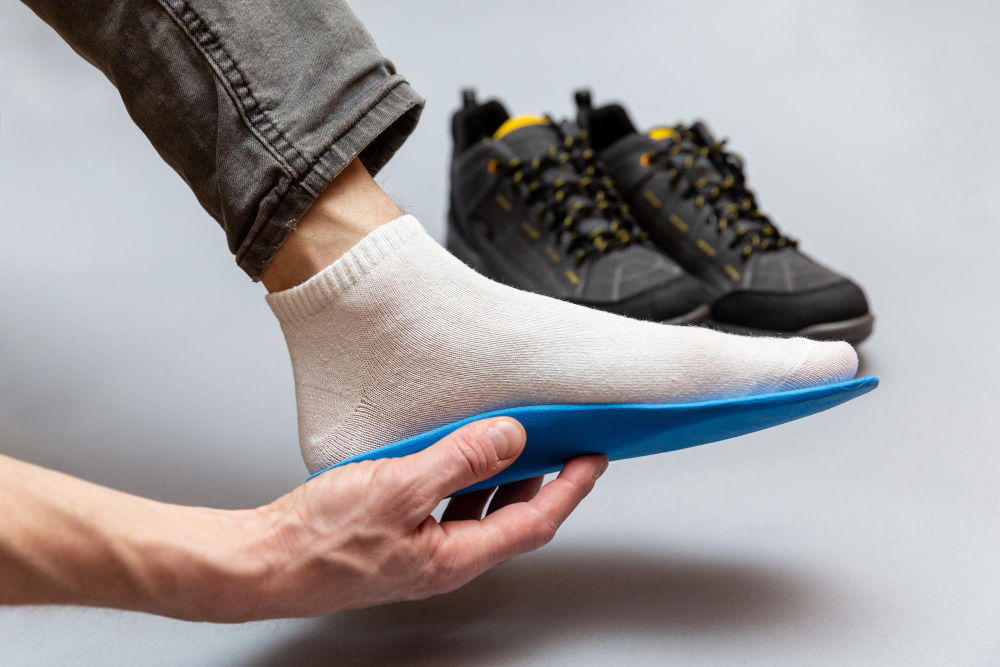
Custom-made orthotics are removable devices made for an individual’s foot shape, movement patterns, footwear, and goals.[1] Although they look similar to insoles, they are not the same as mass-produced shoe inserts. A custom device is selected and shaped after an assessment rather than chosen only by shoe size or arch height.
Depending on the assessment, an orthotic may be designed to help control certain foot motions, provide cushioning, or redistribute pressure. The right design can vary based on your symptoms, activity level, footwear, and overall health.
What concerns may orthotics help with?
Custom orthotics may be considered for people experiencing concerns such as:
- Foot or arch pain
- Heel pain, including pain associated with plantar fasciitis
- Ankle discomfort
- Knee pain
- Hip or lower-back discomfort related to lower-limb mechanics
- Postural or gait-related concerns
Orthotics are not appropriate for every person or every condition. An assessment is important because pain can have several possible causes, and orthotics may be only one part of a broader care plan.
How does a custom orthotics assessment work?
A typical assessment may include:
- A discussion of your concerns: You may be asked about symptoms, activities, work demands, footwear, previous injuries, and existing orthotics.
- A physical examination: The practitioner may assess foot and lower-limb movement, alignment, and function.
- Foot and gait assessment: Markham Pain Clinic reports using foam casting or GaitScan™ technology to assess foot mechanics and help order custom orthotic products.[2]
- Footwear review: The shoes you wear can affect comfort and how an orthotic functions. Bring the shoes you use most often to your appointment when possible.
- Fitting and follow-up: Your device should feel appropriately supportive, and any persistent discomfort should be discussed with the clinic so adjustments or another plan can be considered.
How are custom orthotics different from over-the-counter insoles?
Over-the-counter inserts can provide general cushioning or support and may be suitable for some people. Custom orthotics are made for one person after an assessment and are designed around that person’s foot shape, movement, footwear, and clinical goals.
The choice is not simply about which option is more expensive. If you have ongoing pain, diabetes, circulation concerns, reduced sensation, skin problems, or a history of foot injury, ask a qualified healthcare professional whether a retail insert is suitable before using one.
How should you get used to new orthotics?
New orthotics can change the way your feet and legs feel during standing and walking. Unless your healthcare professional gives different instructions, a gradual break-in period is generally more comfortable than wearing them all day immediately.
- Begin with a short period of standing and walking.
- Increase wear time gradually if you remain comfortable.
- Use supportive shoes that fit the orthotics properly.
- Stop and contact the clinic if you develop significant pain, persistent discomfort, skin irritation, or unusual pressure.
- Do not heat, bend, glue, or modify the device yourself.
A patient guide from the Royal National Orthopaedic Hospital also recommends choosing footwear that accommodates the orthosis and discussing persistent discomfort at a review appointment.[3]
What shoes work best with custom orthotics?
A supportive shoe with enough length, width, and depth is usually easier to fit than a narrow or shallow shoe. Removable factory insoles may create additional room. Lace-up or fastening shoes can help keep the foot and orthotic stable.
Bring the shoes you expect to use with your orthotics to the assessment or fitting appointment. One orthotic may not fit equally well in every pair of shoes, particularly if the shoes have different shapes or heel heights.
Are custom orthotics covered by insurance?
Coverage varies by insurance provider and plan. Markham Pain Clinic states that custom orthotics are covered by many extended health coverage plans, but eligibility, documentation, deductibles, and reimbursement limits differ. Contact your insurer before ordering and ask what prescription, assessment, receipt, or other documentation is required.
Frequently asked questions
Do custom orthotics fix every foot or leg problem?
No. Custom orthotics may help some people depending on their assessment and the cause of their symptoms, but they are not a guaranteed solution. A healthcare professional can help determine whether orthotics are appropriate and whether other treatments are also needed.
How long does it take to get used to custom orthotics?
It varies. Many people need a gradual adjustment period because orthotics can change the way the feet and lower limbs feel during walking. Increase wear time slowly and contact the clinic if discomfort persists or becomes significant.
Can I move my orthotics between different shoes?
Sometimes, but fit depends on the shape, depth, and heel height of each shoe. Bring your usual shoes to the assessment and ask which footwear is suitable. Do not force an orthotic into a shoe that is too small or narrow.
Should I use an orthotic if I have diabetes or reduced foot sensation?
Speak with a qualified healthcare professional before using an orthotic. Diabetes and reduced sensation can increase the risk of unnoticed pressure or skin injury, so fit, skin checks, footwear, and follow-up are important.
Learn more about custom orthotics in Markham
Markham Pain Clinic provides information about its orthotics service and can discuss whether an assessment may be appropriate for you. The clinic is located at 8312 McCowan Rd, Suite #206, Markham, ON L3P 8E1. To ask a question or request an appointment, visit the Contact Us page or call 905-470-2626.
Sources
[1] American Podiatric Medical Association: Prescription Custom Orthotics and Shoe Inserts https://www.apma.org/patients-and-the-public/conditions-affecting-the-foot-and-ankle/prescription-custom-orthotics-and-shoe-inserts/
[2] Markham Pain Clinic: Orthotics https://markhampain.com/orthotics/
[3] Royal National Orthopaedic Hospital: A Patient’s Guide to Foot Orthosis https://www.rnoh.nhs.uk/patients-and-visitors/patient-information-guides/foot-orthosis-patients-guide
- Markham Pain Clinic: Orthotics(https://markhampain.com/orthotics/)
- Markham Pain Clinic: Contact Us
- American Podiatric Medical Association: Prescription Custom Orthotics and Shoe Inserts
- Royal National Orthopaedic Hospital: A Patient’s Guide to Foot Orthosis
> Medical information disclaimer: This article is for general education only and is not a diagnosis or a substitute for individualized medical advice. If you have severe, worsening, or unexplained pain, skin breakdown, significant swelling, loss of sensation, or difficulty walking, seek advice from a qualified healthcare professional. Results vary by person.