Vestibular Therapy
If you often feel dizzy, unsteady, or experience spinning sensations, it can interfere with daily activities and reduce confidence in movement. Vestibular therapy is a targeted approach that focuses on restoring balance, reducing dizziness, and improving coordination. At Markham Pain Clinic, we provide structured care plans to help individuals return to stable, comfortable movement.
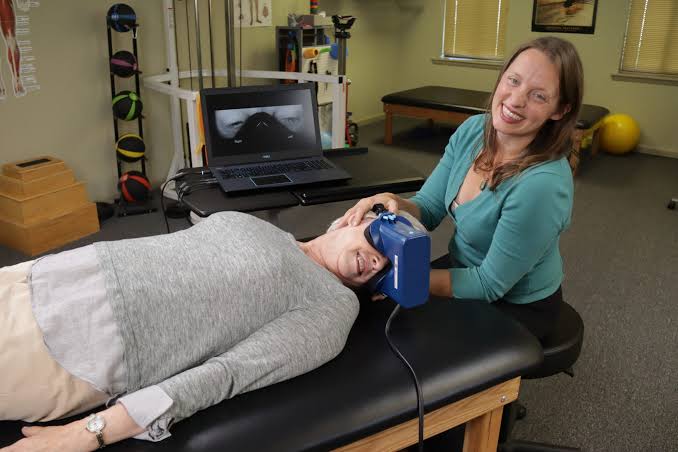
What is Vestibular Therapy?
Vestibular therapy is a form of physiotherapy that focuses on the inner ear system and its connection to balance and spatial awareness. When this system is disrupted, it can lead to dizziness, vertigo, blurred vision, and difficulty maintaining posture.
How It Works
What to Expect During Your Visits
A detailed discussion about your symptoms. Movement and balance testing. A clear explanation of your condition. Guided exercises during the session. Simple exercises to continue at home. Consistency plays a key role in progress, so following your plan between sessions is important.
Tips to Support Your Progress
Staying active within your comfort level. Following home exercise routines regularly. Avoiding sudden head movements if they trigger symptoms. Keeping track of any changes in symptoms.
How Vestibular Therapy Supports Your Recovery
- Reduced dizziness and vertigo episodes
- Improved balance and coordination
- Increased confidence while walking or moving
- Better focus and visual stability
- Lower risk of falls
Who Can Benefit
Adults with Balance Issues
As balance declines, even simple activities can feel challenging. Vestibular therapy helps restore stability and improve mobility.
Individuals Recovering from Concussion
Dizziness is a common symptom after a head injury. Therapy can help restore normal movement and reduce discomfort.
People with Inner Ear Disorders
Conditions affecting the inner ear often disrupt balance. Targeted exercises help the body adapt and regain control.
Conditions Treated
Our Process
- 1Initial Assessment — Your first visit to Markham Pain Clinic includes a detailed evaluation of your symptoms, medical history, and movement patterns. This helps identify the root cause of your dizziness or balance concerns.
- 2Targeted Exercise Programs — Eye and head coordination exercises. Balance retraining. Habituation exercises (to reduce sensitivity to movement). Gaze stabilization techniques. These exercises aim to retrain the brain to adapt to changes in the vestibular system.
- 3Gradual Progression — As your condition improves, exercises are adjusted to match your progress. This ensures steady improvement while avoiding unnecessary strain.
Why Choose Markham Pain Clinic
Focused Assessment Approach
We take time to understand your symptoms and how they affect your daily life, creating a plan that matches your needs and goals.
One-on-One Care
Each session is focused on you, ensuring proper supervision, correct exercise techniques, and steady progress.
Evidence-Based Methods
Grounded in proven physiotherapy practices that address the root cause of vestibular issues rather than just managing symptoms.
Support Throughout Your Recovery
We guide you through every stage of your progress, with adjustments made as needed.
Dizziness and balance issues don’t have to control your daily life. With the right approach, it is possible to regain stability and move with confidence again. Book your appointment today and start your journey to a better balance with vestibular therapy at Markham Pain Clinic.